Simple Lifestyle Changes That Could Add Years to Your Life
Living longer does not always require dramatic lifestyle overhauls. New research shows that subtle, realistic adjustments to everyday habits such as sleep, movement, and food choices can collectively add measurable years to life. These findings offer a practical approach to longevity, especially for people who feel overwhelmed by strict health routines or unrealistic wellness goals.
Health research has long linked good sleep, regular exercise, and balanced nutrition with longer life expectancy. What remained unclear was how much impact very small changes could have when applied consistently. That gap is now narrowing.
According to Nicholas Koemel from the University of Sydney in Australia, combining just a few modest daily improvements can make a real difference. Koemel explains, “Just around 5 extra minutes of sleep per day, about 2 minutes more of moderate-to-vigorous physical activity – like a brisk walk or taking a flight of stairs – combined with just an extra half-serving of vegetables per day is linked to an additional 1 year longer lifespan.”
This insight reframes longevity as something achievable through manageable steps rather than extreme discipline.
Inside the UK Biobank Analysis
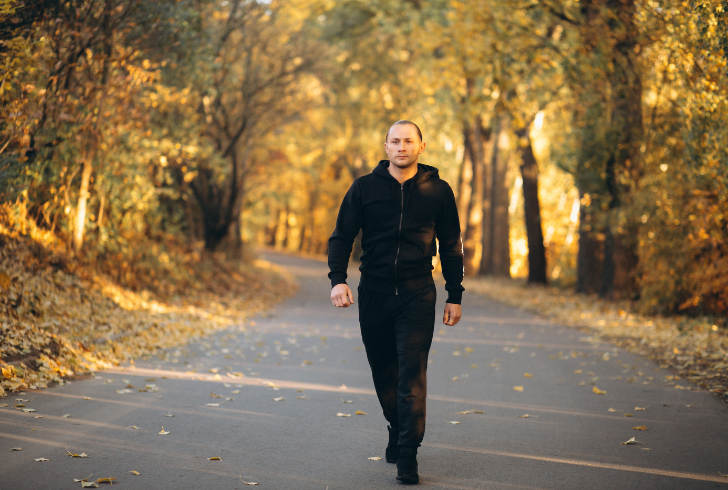
Freepik | senivpetro | Science proves that small, regular lifestyle shifts significantly boost life expectancy.
To understand the effect of small lifestyle tweaks, Koemel and his research team analyzed data from nearly 60,000 adults between the ages of 40 and 69. All participants were part of the UK Biobank project, a large-scale health database.
Participants first completed detailed surveys about their diets, recalling how often they consumed foods such as fresh fruits, vegetables, and processed meats over the previous year. Based on these responses, each diet received a score ranging from 0 to 100, moving from poor to healthy. Several years later, participants wore wrist-based movement trackers for one week to measure sleep duration and physical activity levels. Mortality and health outcomes were then tracked over an eight-year follow-up period.
This layered data allowed researchers to link daily habits with long-term health outcomes more accurately than self-reports alone.
What the Least Healthy Group Looked Like
Using this data, researchers identified the bottom 5 percent of participants with the least healthy lifestyles. On average, this group slept about five hours per night, engaged in roughly five minutes of moderate-to-vigorous physical activity per day, and scored around 35 on the dietary scale.
When compared with this group, participants who slightly improved all three behaviors showed notable benefits. An extra five minutes of daily sleep, two additional minutes of moderate-to-vigorous activity, and half a serving more vegetables each day translated to an average increase of one year in lifespan.
Koemel noted that combining small changes across several habits produced results similar to making a much larger change in only one area. Sleeping an extra 25 minutes without changing diet or exercise, for example, showed a comparable effect.
“When we package lifestyle changes together, we get more bang for our buck and we reduce the overall requirement from any one behaviour,” he said.
Added Years of Good Health, Not Just More Time
The benefits were not limited to lifespan alone. Participants who added about 24 minutes of sleep per day, four minutes of moderate-to-vigorous activity, and one extra portion of vegetables were estimated to gain four additional years free from major chronic illnesses. These conditions included dementia, cardiovascular disease, chronic obstructive pulmonary disease, and type 2 diabetes.
“Individuals might not just be gaining an additional lifespan, but actually extending their quality years as well – that’s quite a terrific find,” Koemel said. This distinction matters, as living longer without good health offers limited value.
Notably, similar benefits appeared even among average participants who already followed relatively healthy routines. This group typically slept about 7.6 hours per night, exercised for around 31 minutes daily, and scored roughly 54 on the dietary scale. Small upgrades still delivered meaningful gains.
Supporting Evidence From International Data

Freepik | wirestock | Just five minutes of daily vigorous exercise significantly reduces eight-year mortality risk.
Another study released during the same week reinforced these findings. Ulf Ekelund from the Norwegian School of Sport Sciences in Oslo analyzed exercise and mortality data from more than 40,000 adults with an average age of 64.
The data came from Norway, Sweden, and the United States and relied on movement trackers rather than self-reported activity.
Using statistical modeling, Ekelund and his team estimated that if most people, excluding the most active 20 percent, increased moderate-to-vigorous physical activity by just five minutes per day, around 10 percent of deaths could be prevented over an eight-year period. The consistency across different populations adds weight to the idea that small daily movements carry long-term value.
Limitations Worth Considering
Despite the encouraging results, both studies have limits. Alan Cohen from Columbia University in New York pointed out that dietary recall surveys depend on memory, which can lead to inaccuracies. In addition, one week of movement and sleep tracking may not fully reflect long-term habits.
Questions also remain about how long these lifestyle changes must be maintained to deliver benefits. Koemel emphasized the need for further research to assess differences across age groups and to determine whether the findings apply to non-Western, low- and middle-income countries where activity levels, diets, and chronic disease rates differ.
These findings challenge the idea that health improvements require dramatic effort. Instead, they suggest that stacking small, realistic changes across sleep, movement, and diet can steadily extend both lifespan and years spent in good health.
By focusing on what is manageable rather than overwhelming, long-term wellness becomes more attainable and sustainable.