Tariffs on Mid-Size US Companies Tripled in 2025, JPMorganChase Study Finds
Midsize US firms now carry a much heavier tariff load, and fresh JPMorganChase analysis puts hard numbers behind that strain.
Over the past year, import taxes paid by these companies have tripled. As a result, thousands of middle-market businesses have scrambled to adjust pricing, staffing, and sourcing strategies.
While policymakers argue over trade policy, companies with 48 million employees confront real cost pressure every day.
The JPMorganChase Institute examined payment data from firms earning between $10 million and $1 billion in annual revenue. Most employ fewer than 500 workers. Because these companies lack the pricing power of global giants, they often feel policy shocks more quickly. At the same time, they can pivot supply chains faster than massive corporations.
According to Chi Mac, who leads business research at the institute, the increase marks a sharp shift in operating costs. He noted that companies now face a meaningfully different expense structure. In addition, early signals suggest that some firms have started redirecting transactions away from China and toward other Asian markets.
That shift matters. Payments flowing to China fell roughly 20% compared with October 2024 levels. However, analysts still question whether supply chains truly relocated or whether goods now move through alternative countries.
Who Really Pays the Tariffs?

Instagram | @melody_mocktail | JPMorgan Chase & Co. highlights new research showing that rising tariffs have sharply increased cost pressure on midsize US firms.
The data adds to a broader debate. Administration officials continue to argue that foreign exporters shoulder the burden. Yet multiple economic studies show that US companies write the checks. In turn, those firms must respond in one of three ways:
1. Raise prices for customers
2. Cut hiring or slow expansion
3. Accept thinner profit margins
Each choice carries consequences. Higher prices fuel voter frustration. Slower hiring weakens labor momentum. Lower profits reduce investment capacity.
Meanwhile, a White House spokesperson dismissed the JPMorganChase findings as irrelevant. Officials maintain that tariff policy strengthens domestic industry. During a visit to a Georgia steel facility, President Trump described tariffs as a major boost for American manufacturing and questioned why courts would challenge measures he views as beneficial.
Trade Goals vs. Trade Data
The administration introduced higher tariffs to reduce the US trade deficit and revive domestic production. Last year, the average tariff rate jumped from 2.6% to 13%, according to Federal Reserve research.
Officials labeled certain duties, including those on steel and building materials, as national security measures. Later, the president declared an economic emergency and announced a broad import tax framework during an event branded “Liberation Day.”
However, government data shows the trade deficit expanded by $25.5 billion last year, reaching $1.24 trillion. Although the president predicts a future surplus, current figures tell a different story.
Financial markets reacted quickly to the higher rates. Investors sold off assets, and volatility spiked. Soon after, the administration adjusted several tariff levels and opened negotiations with multiple trading partners. New trade frameworks followed, yet uncertainty remains. The Supreme Court now prepares to decide whether the emergency declaration exceeded presidential authority.
Economic Ripple Effects Across the Country
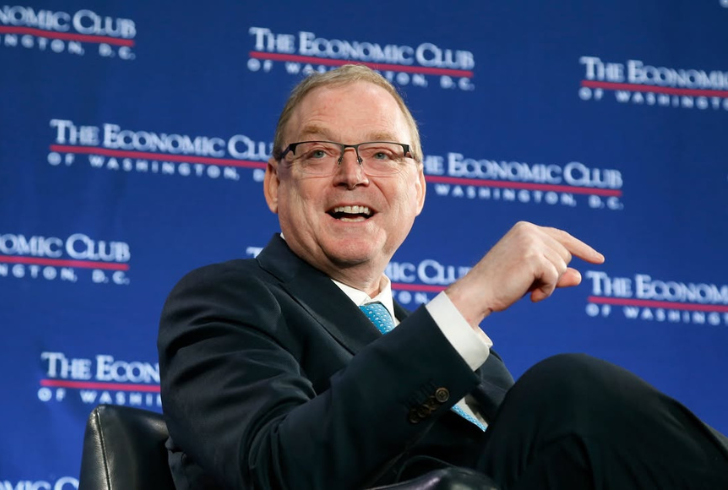
Instagram | @econclubdc | Kevin Hassett questions Federal Reserve findings as tariff costs continue to pressure midsize US businesses.
Inflation has not surged dramatically during the current term. Even so, academic economists estimate that consumer prices run about 0.8 percentage points higher than they would without the tariffs. Hiring has also slowed. Consequently, affordability concerns continue to shape public opinion.
Kevin Hassett, director of the National Economic Council, sharply criticized Federal Reserve research suggesting that US businesses and consumers absorb nearly 90% of tariff costs. He labeled the analysis deeply flawed and argued that the conclusions misrepresent economic reality.
Still, the JPMorganChase report underscores a clear pattern. Midsize firms, which policymakers often describe as the backbone of the economy, now operate under steeper import costs. Because these companies lack vast financial cushions, even moderate increases affect payroll, pricing, and planning decisions.
The Road Ahead
Companies continue to adapt. Some renegotiate supplier contracts. Others explore new regional partners across Southeast Asia. Meanwhile, executives monitor court rulings and trade talks closely. Every adjustment shapes cost forecasts for the next quarter.
Tariff policy now sits at the center of economic strategy. Supporters argue that it protects domestic industry. Critics counter that it transfers costs to American firms and households. As debates intensify, middle-market businesses must balance resilience with competitiveness.
Cost pressures have not vanished. Trade patterns continue to shift. And legal decisions loom. Yet these firms keep recalibrating operations, because survival demands flexibility.
Tariffs have altered the cost structure for midsize US firms, and the data confirms that shift. Although officials defend the strategy, businesses face immediate financial impact. As courts review executive authority and negotiations unfold, the middle market stands at a pivotal moment.
What happens next will shape pricing, hiring, and trade flows for years to come.