America’s Shale Boom Continues to Reshape Global Energy
America’s energy story changed forever when engineers unlocked oil and natural gas hidden deep within shale rock. Two decades ago, few believed it was possible. Yet innovation proved otherwise.
With the development of horizontal drilling and hydraulic fracturing, better known as fracking, U.S. engineers transformed the energy landscape. By injecting water mixed with sand into shale formations, they broke apart rock layers and released oil once thought unreachable.
This discovery triggered a massive production surge. In 2006, the United States produced around six million barrels of oil per day. Today, it produces over 22 million barrels daily. That jump turned the country from a major importer into the world’s top oil producer, cutting dependence on unstable foreign suppliers and reshaping global markets.
How Fracking Changed the Game
Fracking didn’t just boost production, it transformed the nation’s economy and strengthened its security. Before the shale boom, the U.S. relied heavily on imported oil, leaving it vulnerable to global crises. The OPEC embargo of the 1970s nearly crippled the economy. Now, domestic production shields the country from similar threats.
By tapping shale deposits, especially across the Permian Basin in Texas and New Mexico, oil companies accessed billions of barrels once trapped underground. As a result, fuel prices stabilized, jobs increased, and energy exports surged. America’s success in shale energy proved that innovation could reshape not just markets, but also geopolitics.
Exxon Mobil’s New Technological Edge
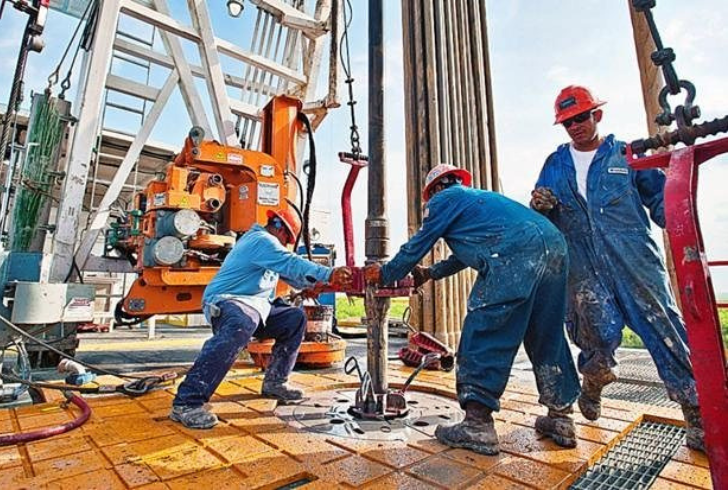
Instagram | @petroleumarlington | Fracking boosts U.S. energy strength, and it creates jobs while reducing dependence on foreign oil.
Innovation in shale extraction hasn’t stopped. Exxon Mobil, the largest U.S. oil company, continues to push boundaries. The company produces roughly five million barrels per day and plans to boost recovery rates even further using petroleum coke technology, often called “Prop.”
This breakthrough involves transforming petroleum coke, a byproduct of refining, into a synthetic sand. When injected into wells, this material reaches more tiny oil pockets within shale rock. Though more costly than regular sand, it’s nearly 50% lighter and far more efficient. Exxon Mobil estimates it can raise oil output by 20% to 30% across its fields in the Permian Basin.
This advancement represents billions in potential profit, but its impact extends far beyond financial gains. With more efficient extraction, America can maintain low fuel prices and reduce reliance on foreign oil for decades.
Extending the Lifespan of Shale Oil
Experts once claimed shale production would decline quickly, predicting that only 10% of the oil trapped in formations like the Permian Basin could ever be recovered. Yet technological evolution continues to prove them wrong. According to the U.S. Energy Information Administration, these reserves could support production for nearly 200 more years at today’s consumption rates.
By refining techniques such as Prop, companies unlock greater efficiency and sustainability. This ensures that the U.S. remains a dominant force in global energy, supplying not just its own markets but also exporting to others in need. The ripple effect includes stable fuel costs, thriving chemical industries, and stronger manufacturing.
National Security and Global Stability Boost
Every new barrel of U.S. oil strengthens national security. As domestic output grows, global prices remain under control. Lower prices weaken countries like Russia and Iran, which depend heavily on oil exports for economic power. By maintaining a steady flow of affordable energy, the U.S. not only supports its economy but also limits the influence of hostile nations.
This balance helps protect American consumers and industries while promoting stability across international markets. The shale revolution demonstrates how energy independence can serve both economic and strategic goals.
Innovation Continues to Drive Growth

Image generated by Canva AI | Innovation keeps U.S. shale growing, and new technologies boost efficiency and production.
Exxon Mobil isn’t alone in this pursuit of progress. Chevron has introduced what it calls “soap technology,” another cutting-edge method designed to increase oil recovery from its vast shale holdings. By experimenting with creative engineering solutions, major companies are proving that the U.S. energy sector remains one of the most innovative in the world.
As these advancements roll out, they promise stronger output, greater efficiency, and lasting competitiveness. The American shale industry stands as a symbol of persistence, turning scientific curiosity into a global advantage.
The Power of Progress
America’s shale boom shows no signs of slowing down. With technologies like petroleum coke and advanced extraction methods, the country continues to set the global standard for energy innovation. Each new discovery fuels growth, strengthens security, and keeps energy prices steady for consumers.
Innovation remains the engine of progress. As engineers and companies continue refining techniques, the U.S. energy industry will stay resilient, proving once again that betting against American ingenuity is never a winning move.